

PROTECT YOUR DNA WITH QUANTUM TECHNOLOGY
Orgo-Life the new way to the future Advertising by Adpathway 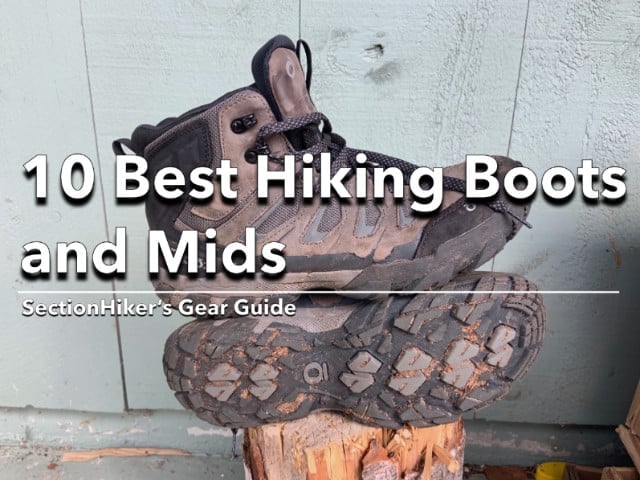
Many hikers still prefer hiking boots or mid-height boots (mids) because they offer better ankle protection and foot support than trail runners or low-cut hiking shoes. These boots surround the ankles with padding, shielding them from impacts and debris in rough terrain and providing proprioceptive feedback that helps improve balance. They also protect the arch and toes with internal shanks, rock plates, and reinforced toe caps, features seldom available in lighterweight footwear.
Although hiking boots and mids are heavier and take longer to dry when wet, they are much more durable than lighter shoes. Their soles typically last two to four times longer (500-1000 miles), and some can be resoled, meaning they need replacement less often. If you regularly get black toenails from wearing trail runners, or you’re sick of throwing away worn-out shoes after a few hundred miles, you might want to seriously consider switching to a mid-height or full-size hiking boot. Hiking boots and mids aren’t for everyone, but they’re a valuable footwear option.
With those benefits in mind, here are the top 10 hiking boots and mids that we recommend for three-season use.
1. Salomon Quest 5 Hiking Boots
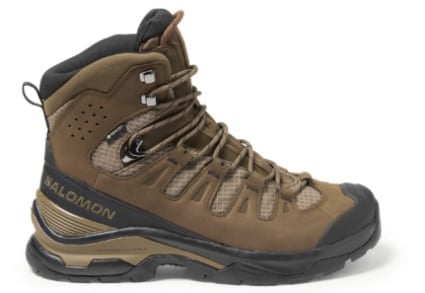
The Salomon Quest 5 hiking boot has a durable leather and fabric upper with a waterproof breathable membrane. Ankle support is reinforced by a rigid plastic frame that controls foot movement. Arch support comes from a cushioned EVA midsole combined with a stiff internal plate. The toe box is protected by a molded plastic cap and reinforced rubber edge. The boots cannot be resoled because they use a glued-on sole rather than a stitched or welted construction. They are also not available in wide widths. A women’s model is not available, but Salomon recommends the similar women’s Quest Echo instead.
2. Danner Mountain 600 Leaf GTX Hiking Boots
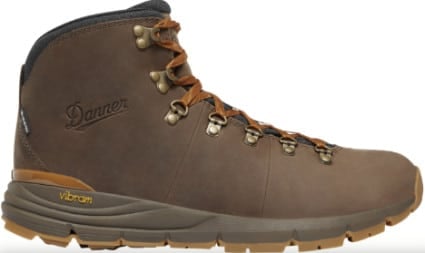
The Danner Mountain 600 Leaf GTX features a full-grain leather upper with a Gore-Tex waterproof membrane. Ankle support is reinforced by a TPU heel frame and nylon shank. Arch stability is provided by a Vibram SPE midsole with cushioning and rebound. The toe box includes a molded protective cap and a rubber rand for impact and abrasion resistance. These boots are available in wide sizes and can be resoled. A woman’s model is also available.
3. KEEN Pyrenees Hiking Boots
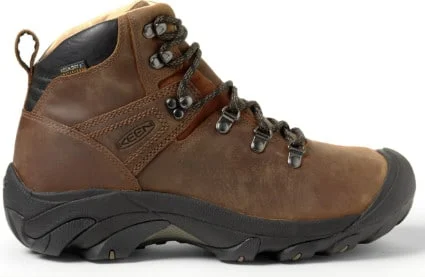
The Keen Pyrenees features a waterproof nubuck leather upper with a breathable membrane. Ankle support is provided by an ESS torsion shank and padded collar. Arch support comes from a dual-density EVA midsole and metatomical footbed. The toe box offers reinforced protection with a wide, durable rubber rand for impact resistance. These boots can be resoled. Although they are not available in a wide width, they have a naturally roomy toe box and an overall wider fit, which may accommodate users who need extra width. A women’s model is available.
4. Asolo TPS 535 LTH V Evo Hiking Boots
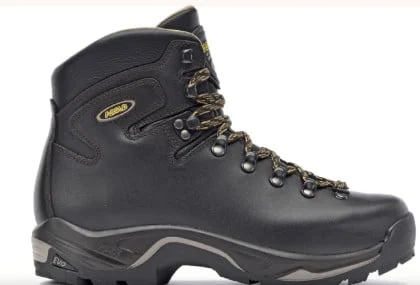
The Asolo TPS 535 LTH V Evo features a full-grain leather upper with a waterproof, breathable membrane. Ankle support is reinforced by a thermo-molded polyurethane heel counter and padded collar for stability. Arch support comes from a dual-density EVA midsole with an embedded nylon shank. The toe box is protected by a molded TPU cap and rubber rand for impact and abrasion resistance. These boots are resolable and are available in wide widths. A woman’s model is available.
5. Zamberlan 996 Vioz GTX Hiking Boots
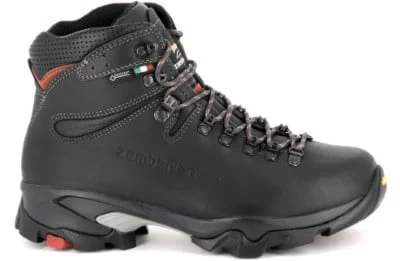
The Zamberlan 996 Vioz GTX hiking boot utilizes a waterproof Gore-Tex membrane bonded to a full-grain leather upper for durability and breathability. Ankle stability is enhanced by a high-cut design with a reinforced TPU heel counter and padded collar. Arch support is delivered through a dual-density EVA midsole with an internal molded nylon shank and an anatomically contoured footbed, which provides dynamic load distribution and reduces foot fatigue. The toe box features a robust rubber rand and a molded TPU toe cap for impact resistance and abrasion protection. These boots can be resoled but are not available in wide widths. A woman’s model is available.
6. Merrell Moab Mid 3 WP Hiking Boots
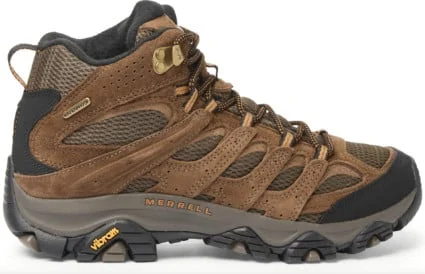
The Merrell Moab 3 Mid Waterproof features a full-grain leather and mesh upper with a waterproof membrane. Ankle support is provided by a padded collar and TPU heel stabilizer. Arch support comes from a dual-density EVA midsole with an internal nylon shank. The toe box includes a rubber rand and molded TPU toe cap for impact and abrasion protection. They are available in wide widths, offering a roomier fit, particularly in the forefoot and toe box, for users who need extra space. They cannot be resoled however. A woman’s model is available. A non-waterproof version is also available.
7. Salomon X Ultra 5 GTX Mids
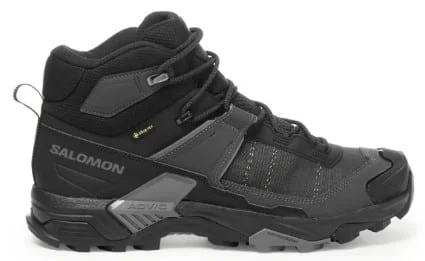
The Salomon X Ultra 5 GTX Mid features a Matryx upper, which is a strong, lightweight fabric woven with Kevlar fibers for durability and water resistance. Its advanced chassis is a molded support structure between the sole and footbed that stabilizes the ankle and arch. A molded toe cap protects toes from impacts on rough trails. It is available in wide sizes, and a woman’s model is available.
8. Lowa Renegade EVO GTX Mids
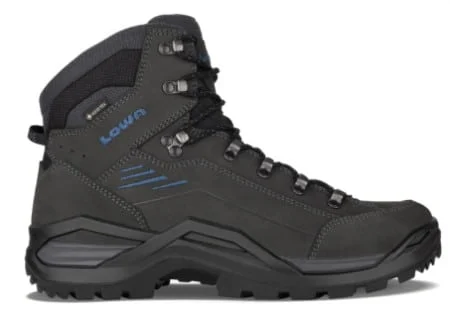
The Lowa Renegade EVO GTX Mid features a nubuck leather upper combined with a Gore-Tex waterproof membrane for breathability. Ankle stability is enhanced by a molded polyurethane heel counter and padded collar. Arch support is provided by a dual-density polyurethane midsole with an injected nylon shank. The toe box includes a reinforced rubber rand and molded TPU cap for impact and abrasion resistance. They feature a stitched construction, allowing professional resoling to extend the boot’s lifespan while maintaining waterproof integrity and structural support. Wide sizes and a woman’s model are available.
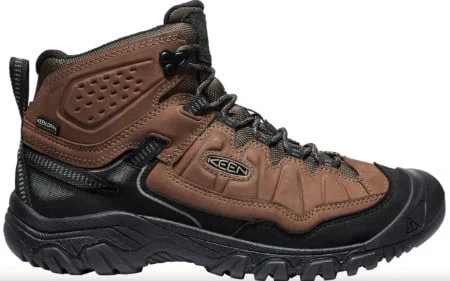
The KEEN Targhee IV Waterproof Mid features a waterproof nubuck leather and mesh upper with a KEEN.DRY membrane. Ankle support is reinforced by a padded collar and TPU heel counter. Arch support is provided by a dual-density EVA midsole with an internal nylon shank. The toe box includes a durable rubber rand for impact and abrasion protection. They offer a roomy fit, especially in the toe box and forefoot, to accommodate users needing extra space for comfort during extended hikes. Wide sizes are available, but these mids cannot be resoled. A woman’s model is also available.
10. Obor Bridger Mids Waterproof
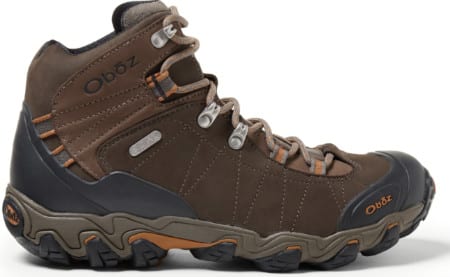
Oboz Bridger WP Mids features a full-grain leather upper with a waterproof membrane for breathability and protection. Ankle support is enhanced by a molded TPU heel counter and padded collar. Arch support is provided by a dual-density EVA midsole with a nylon shank for stability. The toe box includes a protective rubber rand and molded TPU cap for impact and abrasion resistance. They cannot be resoled, but they are available in wide widths. A woman’s model is also available.
Hiking Boots and Mid-Height Boots FAQ
Q: What are hiking boots?
A: Hiking boots are sturdy and supportive footwear designed to protect your feet and ankles from impacts and debris during hiking over rough and uneven terrain.
Q: What are hiking mids?
A: Hiking mids are mid-height hiking shoes that provide some ankle protection from debris without the full height of traditional boots, offering a balance between flexibility and stability. They were originally developed to eliminate the need to wear a gaiter while hiking, and they do a pretty good job of keeping trail debris out of your shoes.
Q: What is the difference between hiking boots and mids?
A: The primary difference is height: hiking boots generally cover and support the ankle completely, whereas mids have a lower cut, providing less ankle coverage but more flexibility.
Q: Are hiking mids suitable for backpacking?
A: Yes, hiking mids can be suitable for backpacking, especially on less rugged trails or if you prefer lighter footwear.
Q: Do hiking boots offer better ankle support than mids?
A: Hiking boots reduce your ankle mobility due to their higher cut and more rigid construction. But their real value lies in the proprioceptive feedback their ankle collars and padding provide, letting you sense changes in the terrain you’re hiking over so you can adjust your gait. With a hiking boot, there’s more material in contact with your leg than with a mid.
Q: Are mids lighter than full hiking boots?
A: Generally, mids are lighter than full hiking boots because they use less material and have a lower cut.
Q: Can I wear hiking mids for day hikes?
A: Yes, hiking mids are often ideal for day hikes because they are lighter and more flexible.
Q: Are waterproof hiking boots better than breathable ones?
A: It depends on conditions. Waterproof boots keep feet dry in wet environments, but reduce breathability and may take a very long time to dry. Non-waterproof boots are better for dry or hot conditions to prevent overheating.
Q: How do I choose between hiking boots and mids?
A: Consider the terrain, weight of your pack, weather conditions, and personal comfort. Boots suit rugged terrain and heavy loads; mids work well on moderate trails with lighter packs.
Q: Can mids protect against sprains as well as boots?
A: Mids provide less feedback about changes in the terrain than boots because there’s less material in contact with your legs.
Q: Are hiking boots more durable than mids?
A: In many cases, yes. Hiking boots often have more robust construction and materials designed for tougher use.
Q: How do I break in new hiking boots or mids?
A: Wear them around the house or on short walks to soften materials gradually before long hikes. Wear thick socks and tie your laces properly to avoid blisters. Leather boots often require up to 50 miles of walking before they’re properly broken in.
Q: Are mids easier to walk in than full hiking boots?
A: Many find mids easier to walk in because they allow more ankle movement and are lighter.
Q: Can mids be used in snowy conditions?
A: Mids can be used in snow if they are waterproof and insulated, but fully insulated waterproof boots with higher coverage are generally better for deep snow.
Q: What types of soles do hiking boots have?
A: Hiking boots typically have rugged rubber soles with deep lugs for traction on varied terrain.
Q: Is waterproofing important in hiking boots and mids?
A: Waterproofing is important if you expect wet trails or rain. It helps keep feet dry but may reduce breathability.
Q: How do I clean my hiking boots or mids?
A: Remove dirt with a brush, use mild soap and water if needed, then air dry away from direct heat. Treat with waterproofing spray if applicable.
Q: Can I use hiking mids for trail running?
A: Hiking mids can be used for slower trail runs or rugged walks, but specialized trail running shoes are usually better for running.
Q: What materials are hiking boots and mids made from?
A: They can be made from leather, synthetic fabrics, or a combination, often with waterproof membranes like Gore-Tex.
Q: How long do hiking boots or mids last?
A: With proper care, they can last several years, depending on frequency of use and terrain.
Q: Are there hiking boots specifically for women?
A: Yes, many brands offer models designed specifically for women’s foot shapes, offering better fit and comfort.
Q: Should I size up when buying hiking boots or mids?
A: It’s common to size up slightly to allow for thicker socks and foot swelling during hikes.
Q: Can I use my hiking boots or mids for everyday wear?
A: Yes, they can be comfortable for everyday use, but may feel heavier compared to casual shoes.
Q: What is the best way to lace hiking boots or mids?
A: Use techniques like heel lock lacing to secure the foot and prevent slipping inside the boot.
Q: Can I replace the insoles in my hiking boots or mids?
A: Yes, replacing insoles with custom or more cushioned ones can improve comfort and support.
Q: Are mids better for warm-weather hikes?
A: Mids often provide better ventilation and feel lighter, making them a good choice for warm-weather hikes.
Q: How do mids affect ankle mobility compared to full boots?
A: Mids allow greater ankle mobility due to their lower cut compared to full boots.
Q: What should I consider when choosing soles for hiking footwear?
A: Look for soles with aggressive tread patterns that provide grip on wet, rocky, or uneven surfaces.
Q: Are leather hiking boots better than synthetic ones?
A: Leather boots tend to be more durable and water-resistant but heavier; synthetic boots are lighter and dry faster.
Q: Can I re-waterproof my hiking boots or mids?
A: Yes, using special DWR waterproofing sprays can restore water resistance over time.
Q: Do hiking mids work well with gaiters?
A: Yes, most mids can be used with gaiters to protect against debris and moisture.
Q: Is it necessary to wear thick socks with hiking boots or mids?
A: Wearing thick or specialized hiking socks can help prevent blisters and provides cushioning. But this is a matter of personal preference.
Q: How do I prevent blisters when using new hiking footwear?
A: Break in your footwear gradually, use proper socks, keep feet dry, and ensure a good fit without pressure points.
Q: Are there lightweight options among hiking mids and boots?
A: Yes, many brands offer lightweight models designed for speed hikes or less demanding terrain.
Q: Can I use hiking boots or mids on rocky terrain?
A: Yes, both can handle rocky terrain, but higher-cut boots may provide better ankle protection depending on how much of your lower calf they cover.
Q: What is the typical weight difference between mids and full boots?
A: Mids typically weigh 10-20% less than full-height hiking boots due to reduced material.
Q: How do I store my hiking footwear properly?
A: Store in a cool, dry place away from direct sunlight; clean and dry them before storage to prevent mold and damage.
Q: Can I wear hiking boots or mids in hot desert conditions?
A: Lightweight breathable mids are preferable in hot deserts; heavy waterproof boots may cause overheating.
Q: Are there budget-friendly options for hiking footwear?
A: Yes, many brands offer affordable models that balance durability and comfort without premium pricing.
Q: How often should I replace my hiking footwear?
A: Replace them when soles wear out, cushioning degrades, or fit becomes uncomfortable; usually every few years, depending on use.
Q: Do hiking mids dry faster than full boots?
A: Yes, due to less material and lower height, mids often dry faster than full boots.
Q: Are insulated hiking boots available for winter hikes?
A: Yes, many brands offer insulated versions of both full-height boots and mids designed for cold weather conditions.
Q: Can I wear hiking footwear with orthotics?
A: Many hiking shoes allow removable insoles so you can insert custom orthotics for added comfort and support.
Q: How important is arch support in hiking footwear?
A: Good arch support helps reduce foot fatigue and prevent injuries, including plantar fasciitis.
Q: What are common problems with new hiking footwear?
A: Common issues include blisters, hot spots, and tightness around toes or heels, which can be mitigated by proper fitting and break-in.
Q: Are there vegan-friendly options for hiking boots and mids?
A: Yes, many brands offer synthetic materials that avoid animal products for vegan-friendly footwear.
Q: Do mid-cut shoes affect balance differently than full-height boots?
A: Mids offer more flexibility, which might improve balance on uneven ground, but provide less ankle contact compared to full-height boots.
Q: Are there specific brands known for quality hiking boots and mids?
A: Popular, reliable brands include Merrell, Salomon, Keen, Vasque, Lowa, La Sportiva, and Oboz.
Q: Can I wear shorts with mid-cut hiking shoes comfortably?
A: Yes, mid-cut shoes pair well with shorts as they offer good ankle mobility without restricting leg movement.
Q: How do I know if my mid-cut shoes fit correctly?
A: Your toes should have enough room to wiggle without slipping at the heel; the shoe should feel snug but not tight.
Q: Are mid-cut shoes good for beginners?
A: Yes, they provide a comfortable middle ground between flexibility and support suitable for many beginners.
Q: Is waterproofing necessary for summer hikes?
A: Not always; waterproofing can reduce breathability so it depends on expected weather conditions.
Q: Can mid-cut shoes help prevent ankle injuries?
A: It really depends on the shoe. While they can protect your ankles from debris on hikes, most don’t have enough structure or bulk to prevent a twisted ankle. But the higher cuff of a mid does provide more proprioceptive feedback than a low cut shoe or trail runner, so you can sense uneven ground better and take evasive action.
Q: Do mid-cut shoes require special care?
A: Care is similar to full boots: clean after use, dry properly, treat with waterproofing as needed.
SectionHiker never accepts payment for gear reviews or editorial coverage. When you buy through affiliate links on our site, we may earn a small commission at no extra cost to you. Help us continue to test and write unsponsored and independent gear reviews, hiking and backpacking FAQs, and free hiking guides.









 English (US) ·
  French (CA) ·