

PROTECT YOUR DNA WITH QUANTUM TECHNOLOGY
Orgo-Life the new way to the future Advertising by Adpathway
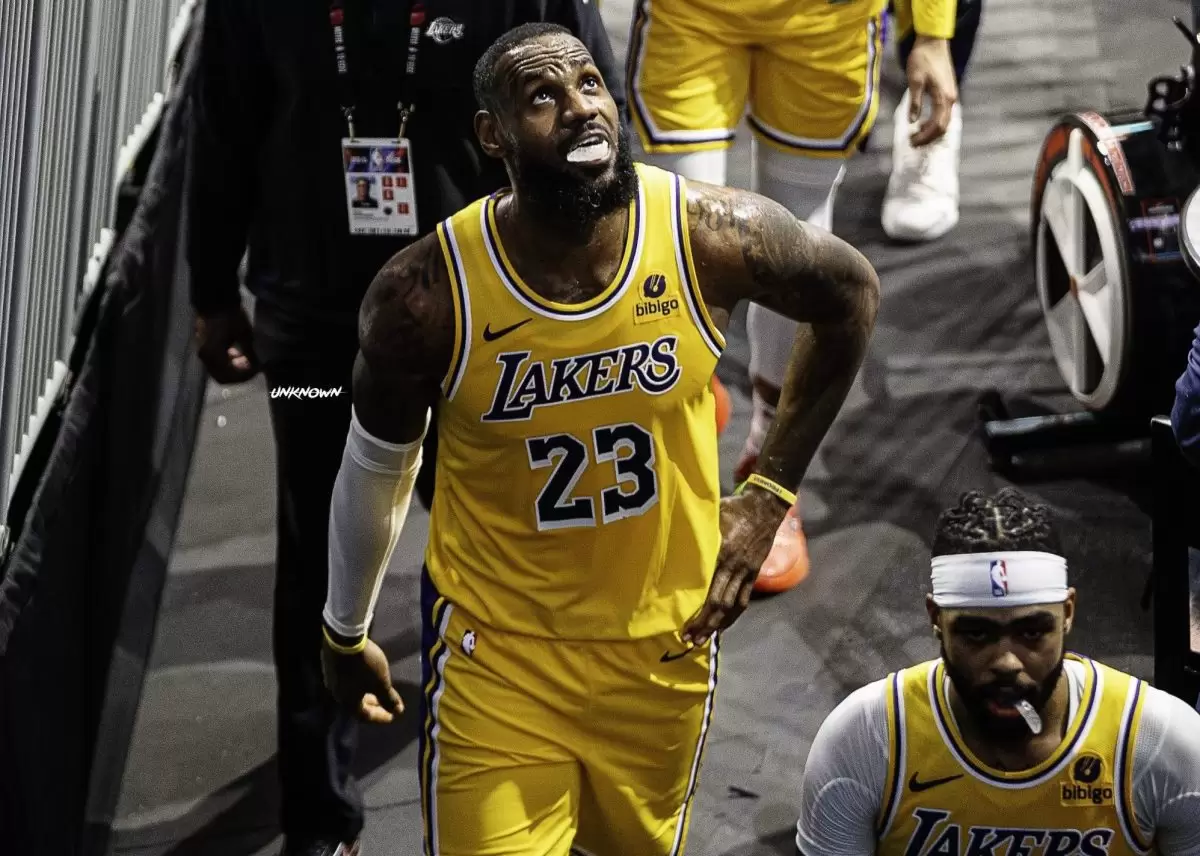
Image credit: IMAGN IMAGES via Reuters Connect
All season long you’ve witnessed how the advent of the ABS system has changed the strike zone. Any alteration to the definition of a strike is going to change how batters swing, or what they’re willing to even think about swinging at. Any change in cuts taken is going to influence whiff rate throughout the league. Whiffs have been going down pretty consistently over the last five years, from 26% in 2021 to 25.1% this year. A decrease like this is never due to one thing—there’s been a greater emphasis on contact in the last couple years, for example—and this year’s drop isn’t especially notable on its own. But it is the first year where the structure of the game seemed like it was going to create such an explicit impact.
The change we’ve seen has been mere fractions of a single percentage point but has played out to the tune of roughly a couple of thousand fewer whiffs. Whether you watch the same team every night or whatever game you deem most interesting, this is something you’ve noticed or heard about in other contexts brought to light by broadcasts or other writers.
There have been 134 pitches who have thrown at least 1,250 pitches so far this year and who also threw at least 400 pitches last year. The larger threshold for 2026 allows us to focus on mostly starting pitchers (hello, Aaron Ashby). The lower threshold for 2025 allows for a larger pool of pitchers who might have debuted in any number of circumstances, how they’ve grown, or at least how things are going differently for them in 2026.
Of those 134 pitchers, only 51 have a higher whiff rate now than they did last year. Only 34 of them have seen an increase of one percentage point or more. It’s something that’s just tough for a pitcher to influence. The guys who are already good enough to pitch this much are often doing it by being some version of who they’ve been for a long time. Still, the changes inform us of their process. Whiff rate and swinging strike rate track pretty well, but we’re focused on whiff rate (a measure of misses on all swings) rather than swinging-strike rate (a raw measure of misses against all pitches) because the numbers are a little bigger and that makes them easier to process. You can see all the data here.









 English (US) ·
  French (CA) ·